Gathrid Design
Studio
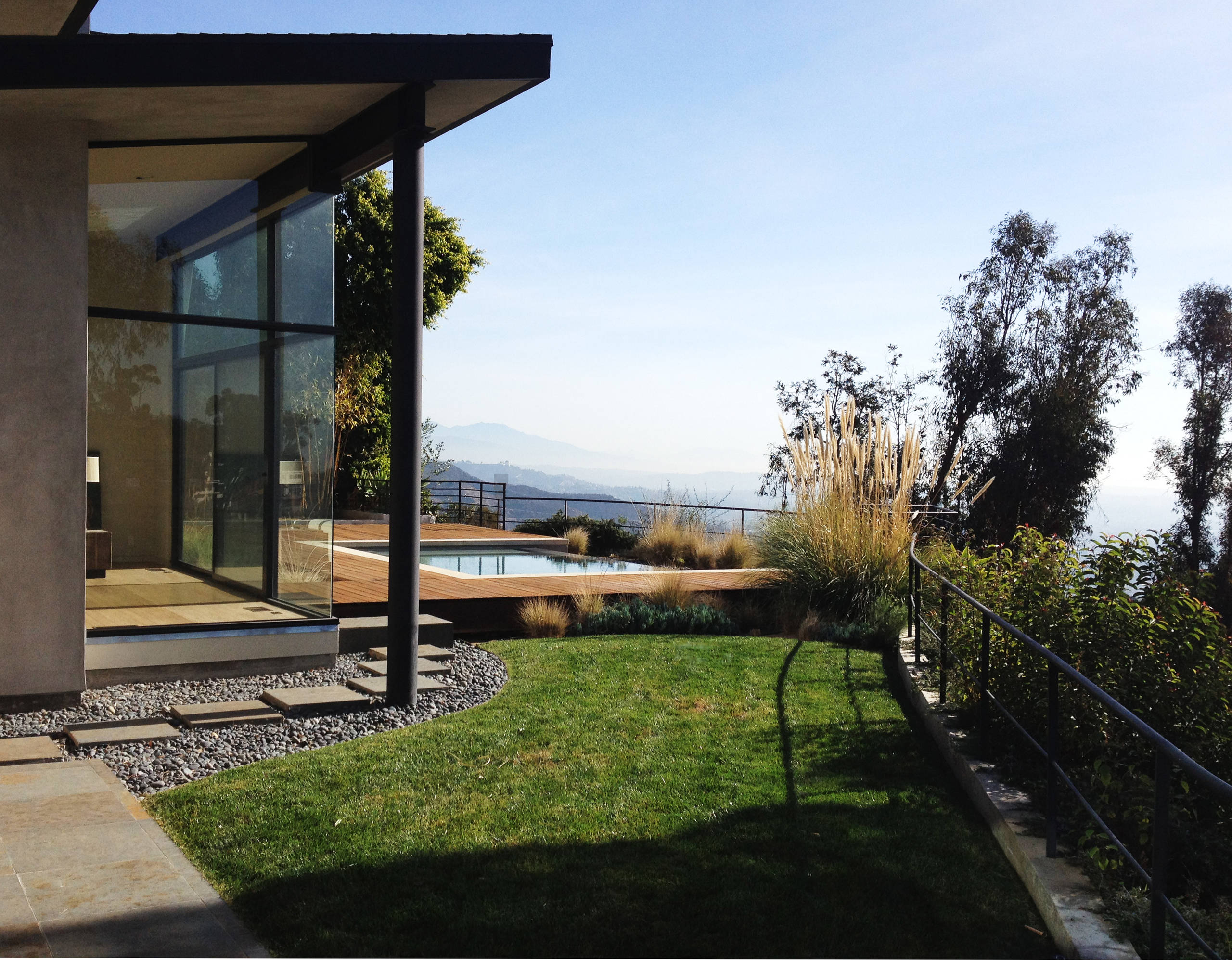
There is a temptation, in a practice this stylistically varied, to reach for a signature — a material, a form, a move that repeats from house to house. We resist that kind of branding, and the work is better for it. What repeats instead is a discipline: function, flow, and a kind of architectural common sense that refuses to let style outrank livability.
Our work moves fluidly between new construction and existing buildings, and we treat the distinction as less important than it's usually made out to be. A new house is planned from site and light outward until the arrangement feels less designed than discovered. An addition or renovation is handled with the same rigor in reverse — expansions detailed so precisely into the existing fabric that a visitor would struggle to locate the seam, and prior renovations that compromised a house's original logic are corrected rather than simply built around. Both approaches arrive at the same result: a plan that reads as inevitable, as though no other arrangement was ever possible.
What distinguishes our work is its attention to register. We work as closely with finish and texture as we do with plan, and treat lighting as an emotional instrument as much as a functional one — how a house reads at night, room by room, matters as much as how it reads by day. A house is expected to perform two lives: the quiet, private rhythm of an everyday retreat, and the more theatrical demands of entertaining, and the architecture moves between the two without ever announcing the transition. It is a subtle kind of choreography, easy to miss precisely because it works.
Our hand extends deep into execution — finishes, kitchens, and baths are worked directly rather than delegated, furnishings brought in only when a project specifically calls for it. The result is a body of work notable less for any single aesthetic than for its consistency of judgment: houses that work the way they're lived in, and that wear their design so naturally it barely reads as design at all.